



The emotional "time bomb," the Blues find Maresca intolerable


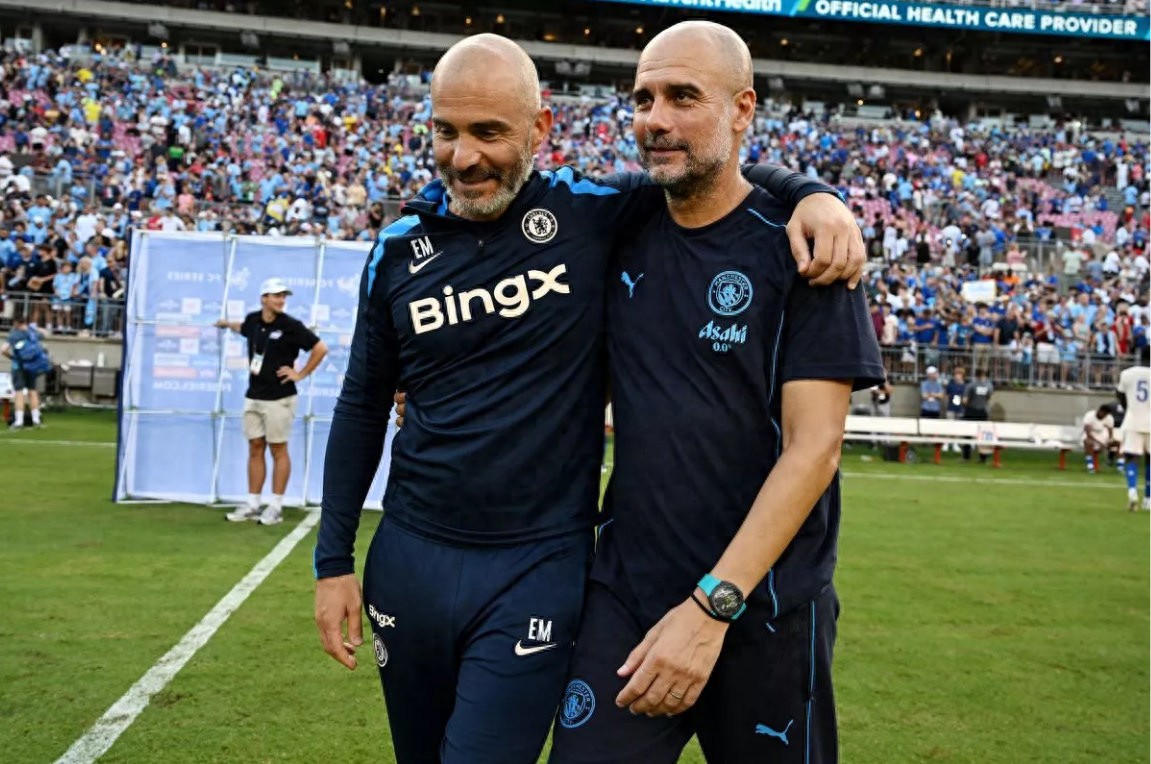
Written by Han Bing Enzo Maresca should not have departed Stamford Bridge like this. Under Chelsea’s new American ownership, he secured achievements no previous coach managed: trophies. Beyond winning the Europa Conference League and Club World Cup, the enormous prize money from the latter ($111.46 million) helped offset the embarrassing lack of a front-shirt sponsor. He led the youngest team in Premier League history back to the Champions League, a feat the board that despised him never accomplished.
Even amid clashes with the American owners, his Chelsea still holds hope of qualifying for next season’s Champions League. With the upcoming League Cup semifinals and FA Cup, the Italian coach also has a chance to claim more trophies. He did the most important thing for the American owners: developing young players. Yet in the end, he paid the price for his volatile temperament. Challenging authority beyond endurance inevitably provokes a backlash from the untouchable power...
It all comes down to personality: from his first day coaching the Blues, Maresca knew he only had authority over training and matches. But his consecutive championships, stubbornness, and emotional nature led him to misjudge how much tolerance the board had. When he signed his contract 19 months ago, Chelsea executives dismissed media warnings that Maresca was stubborn, frank, and clearly emotional—traits he had as a player. The American owners initially saw his persistence as a "winner’s mentality," but it ultimately became the "courage" that led him to publicly criticize the club worldwide.
Success and failure both stem from stubbornness
Rewind to last February: Chelsea lost twice to Brighton within six days, exited the FA Cup, and dropped from 4th to 6th in the Premier League. Facing fans’ anger, Maresca was blunt to the point of intolerance: "Fans’ emotions are understandable, but being knocked out of the FA Cup has benefits; we can focus on the Premier League and Europe." Earlier, the Italian coach had repeatedly criticized referees in post-match interviews, forcing the club to defend him multiple times.
After a home draw with third-from-bottom Ipswich in April last year, things worsened. Maresca blamed the team’s poor performance on the subdued home crowd atmosphere, sparking speculation that Chelsea might have to sack him to calm the unrest. But ultimately, Maresca prevailed. His stubbornness helped seize two decisive wins within three days: defeating Nottingham Forest and Real Betis, securing 4th place in the Premier League and Champions League qualification, and delivering the first trophy of the American era. Riding success, Maresca openly told his critics to "go away," revealing his emotional side.
The subsequent Club World Cup victory and over €100 million prize money boosted Maresca’s confidence, making him believe the American owners would grant him more authority because of the trophies. However, Maresca clearly forgot Chelsea’s iron rule: the head coach does not have the final say. When Corvil was injured in the summer, Maresca requested a new experienced center-back to strengthen the defense but received no response. The board trusted the sporting director and recruitment director more than their coach. Showing his frustration, Maresca brought his son to training and jokingly introduced him to a young Daily Mail reporter as their "new center-back."
Regarding personnel decisions, Chelsea’s medical team holds priority authority, while Maresca resisted their assessments with his stubbornness. The unexpected public criticisms and feigned illness to skip press conferences last December further magnified Maresca’s obstinacy and emotional nature. When management demanded quick improvement in January, Maresca openly admitted he was considering leaving rather than enduring further. No club management can tolerate a coach who blatantly disregards authority.
Maresca’s tragedy largely stems from Chelsea’s unusual management system, but his stubborn personality is the direct cause of the abrupt and bitter split between him and the club.
A difficult personality, an uncertain future
Maresca’s outburst after beating Everton was not impulsive but a deliberate reaction to repeated failed negotiations with Chelsea’s executives over the medical team reporting only to the sporting director. Moreover, his patience was worn thin not only by lack of transfer authority and medical leadership but also by increasing interference from the management team led by Egbarie regarding player usage.
Last year, Maresca changed agents. The notoriously profit-driven Portuguese agent "super-agent" Mendes’ involvement in the matter is likely more complex. Previously unkempt, Maresca hired a team to manage his Instagram, considered writing an autobiography, and even attended an event with La Gazzetta dello Sport for an interview without informing Chelsea’s upper management—these were all unusual behaviors for him.
His voluntary disclosure last October and December of contacts with Manchester City and Juventus seemed to provoke the American owners’ distrust, but in reality, it was a routine maneuver by Mendes to leverage for a high-paying contract extension with Chelsea.
Before Chelsea’s senior management held a crisis meeting on New Year’s Day to discuss Maresca’s future, Mendes had already initiated contract termination talks with the club. The trigger was Maresca’s “sick leave” after the December 30 match against Bournemouth, followed by his admission to the owners that he needed time to consider leaving. Two overly emotional incidents within 17 days finally cost Maresca the trust of the club’s leadership. In fact, he had decided to leave right after the Bournemouth game, changing clothes and leaving decisively without even saying goodbye to the players.
Maresca remains a top-tier coach. As La Gazzetta dello Sport noted, he kept a structurally unbalanced team competitive despite injury threats. He developed Reece James into a versatile defender-midfielder, turned Cucurella into the Premier League’s best wing-back, and raised the market values of Kaysedo and Enzo above what Chelsea paid. His performance in the Club World Cup final against PSG was classic, nearly provoking Enrique to lose his temper. In the new season, his tactical and adaptive coaching against Barcelona in the Champions League and Arsenal in the Premier League also demonstrated his elite skills.
Unfortunately, Maresca’s stubbornness and emotional volatility not only destroyed his future at Chelsea but also cast doubt on his seemingly natural return to Manchester City. After all, no club owner wants their coach to be the biggest uncertainty for the team.



 Links
Links
 Contact
 App
App