



Lessons from South Korean Youth Football: The Youth Training "Pyramid" Relies on More Matches for Stability


By Han Bing The complete system, vast quantity, and “saturation-style” match-based training to select potential talents have established a firm base for the sustained growth of South Korean football. Yet, the relatively few matches, particularly at higher levels, available annually to domestic youth players remain a development hurdle for Chinese youth football. The inaugural “462 Cup” Sino-Korean Youth Football Elite Challenge in 2026 marks the first high-level international youth competition domestically that year, offering a rare learning opportunity for young Chinese players.
Comprehensive “Match-Based Training” Is Fundamental
The advanced and mature South Korean school football league system is notable not only for the widespread participation at all school levels but also for its extensive youth competitions covering all age groups and regions, providing ample opportunities for children to improve. The football pyramid in Korean schools is fully established from elementary (young children), middle (junior high), high school, to university levels, ensuring that youth players involved in the league system have official matches almost every week.
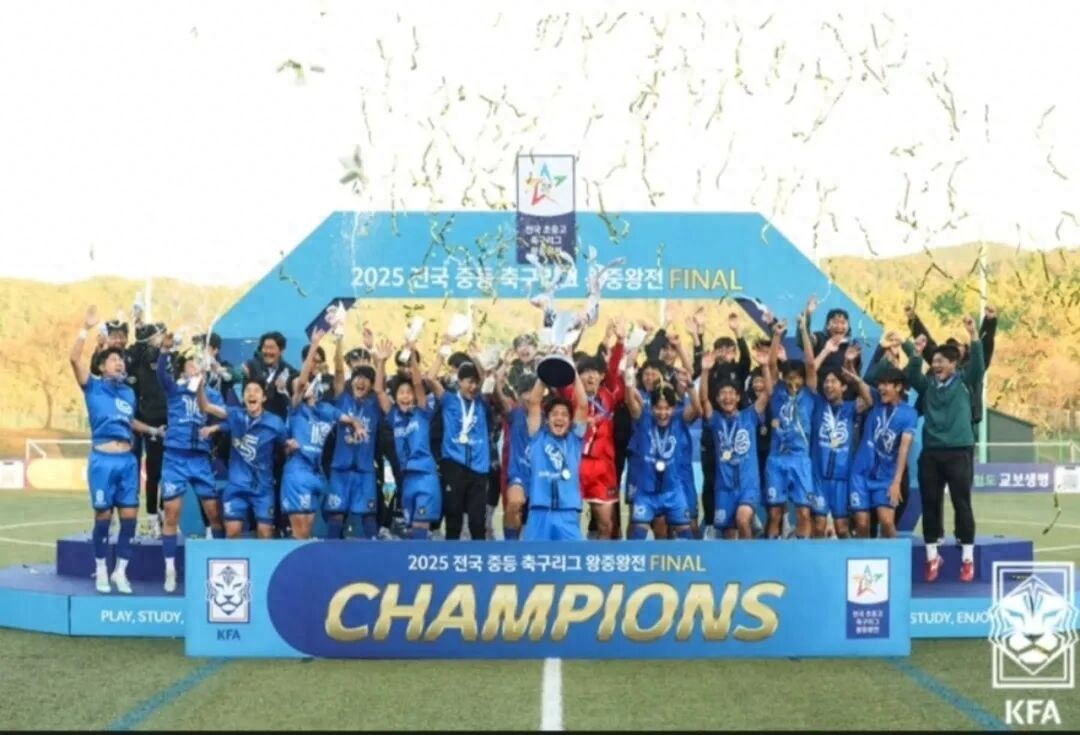
South Korea’s national elementary, middle, and high school football leagues, established in 2009, are divided into U12, U15, and U18 age groups, covering 774 clubs registered with the Korea Football Association. Regional qualifiers take place in the first half of each year—38 regions for elementary, 25 for middle, and 17 for high schools—with top teams advancing to the November “King of Kings” championship to compete for the national title. The total number of participating teams has grown from 576 in 2009 to over 1,000 today.
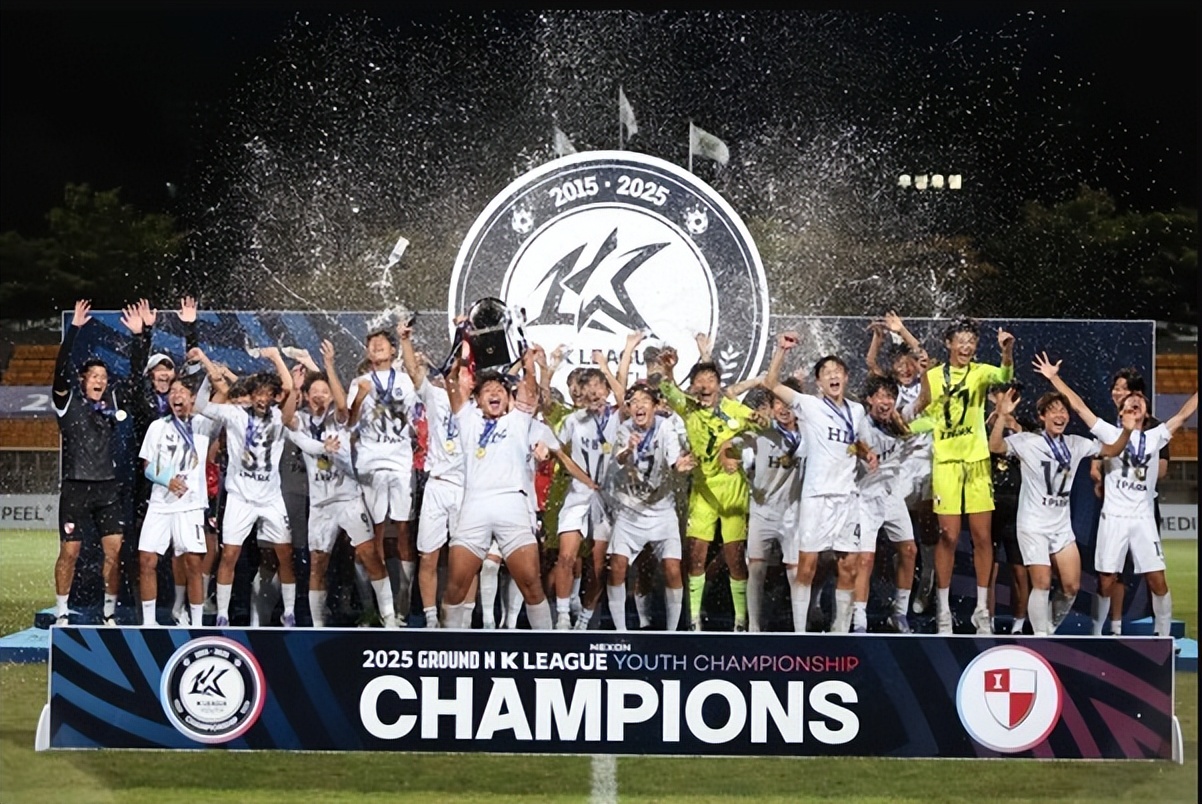
Starting in 2024, youth squads of Korea’s K1 and K2 professional clubs upgraded to weekend home-and-away matches, with the K League youth divided into U14 and U15 groups. Like first-team players, youth players must adapt to the travel demands of professional league schedules. The league is split regionally into groups A, B, and C, with 8 teams each in A and B, and 9 in C, totaling 25 teams. The top 8 in the regular season qualify for the “King of Kings” tournament. Since 2023, besides K League club youth teams, 17 regional football association-selected squads also participate, including 2 from Seoul, 3 from Gyeonggi Province, and one each from other associations, totaling 20 teams. Both U15 and U18 “King of Kings” tournaments feature 64 teams each, deciding champions through single-elimination matches.
South Korea also runs spring and autumn national elementary, middle, and high school football leagues, with middle school U15 teams subdivided into three age categories. The I League, founded in 2013, includes six age groups: U6, U8, U10, U12, U15, and U18. U6 to U10 play 5-a-side with two 10-minute halves; U12 plays 8-a-side with two 15-minute halves; U15 and U18 play full 11-a-side matches with two 20-minute halves. In 2024, the I League comprises over 700 football associations fielding 3,700 youth teams, involving more than 33,000 players.
South Korea’s traditional youth tournaments with long histories include the Kim Seok Cup, Blue Dragon Flag Cup (Gyeongsangbuk-do/Namdo), Geumgang Flag Cup (Gangwon-do), Tamna Flag Cup (Jeju Island), Oryong Flag Cup (Chungcheongnam-do), Hwarang Flag Cup (Gyeongsangbuk-do), and Daegu Mayor’s Cup. Finals are hosted nationwide to help reduce regional disparities in youth football development. Additionally, South Korea holds an annual National Youth Sports Festival featuring 36 sports, including football.
More Matches Foster Better Growth
In recent years, the number of school football matches in China has gradually increased but still lags behind South Korea.
South Korean school football covers a full calendar of competitions, from official national elementary, middle, and high school leagues and the Youth Sports Festival to numerous youth cup tournaments nationwide. High-level youth squads participate in a broad range of events throughout the year—from qualifiers to finals, plus domestic and international exchange matches. Youth players typically play 40 to 50 matches annually, with elite players competing even more.
To provide better match conditions for youth players, after the 2002 World Cup, the Korea Football Association and local governments built over 2,000 public football fields and more than 1,000 school football pitches. The number of public fields rose from 627 to over 2,800, and school fields increased from 173 to nearly 2,000. Nonetheless, fewer than 800 clubs are registered in the national elementary, middle, and high school leagues, with participating schools accounting for only 10% of all schools nationwide. The Korea Football Association has a “2030 Youth” plan aimed at increasing the number of players accordingly.
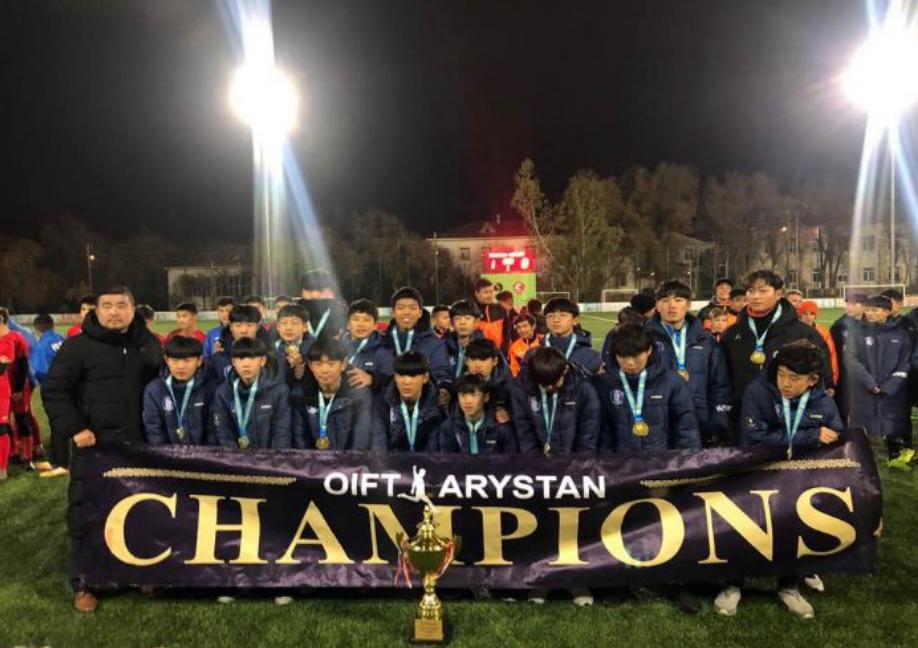
Besides domestic competitions, South Korean youth squads frequently participate in international tournaments both at home and abroad. For example, the HSFA Hwaseong U15 team won the Almaty Invitational in 2023 and placed third in Indonesia’s “Garuda” Cup in 2025. In contrast, China’s elite school teams and professional club youth squads generally lack enough high-level youth matches to improve their skills. The “462 Cup” Sino-Korean Youth Football Elite Challenge is undoubtedly an excellent opportunity for honing their abilities.



 Links
Links
 Contact
 App
App