



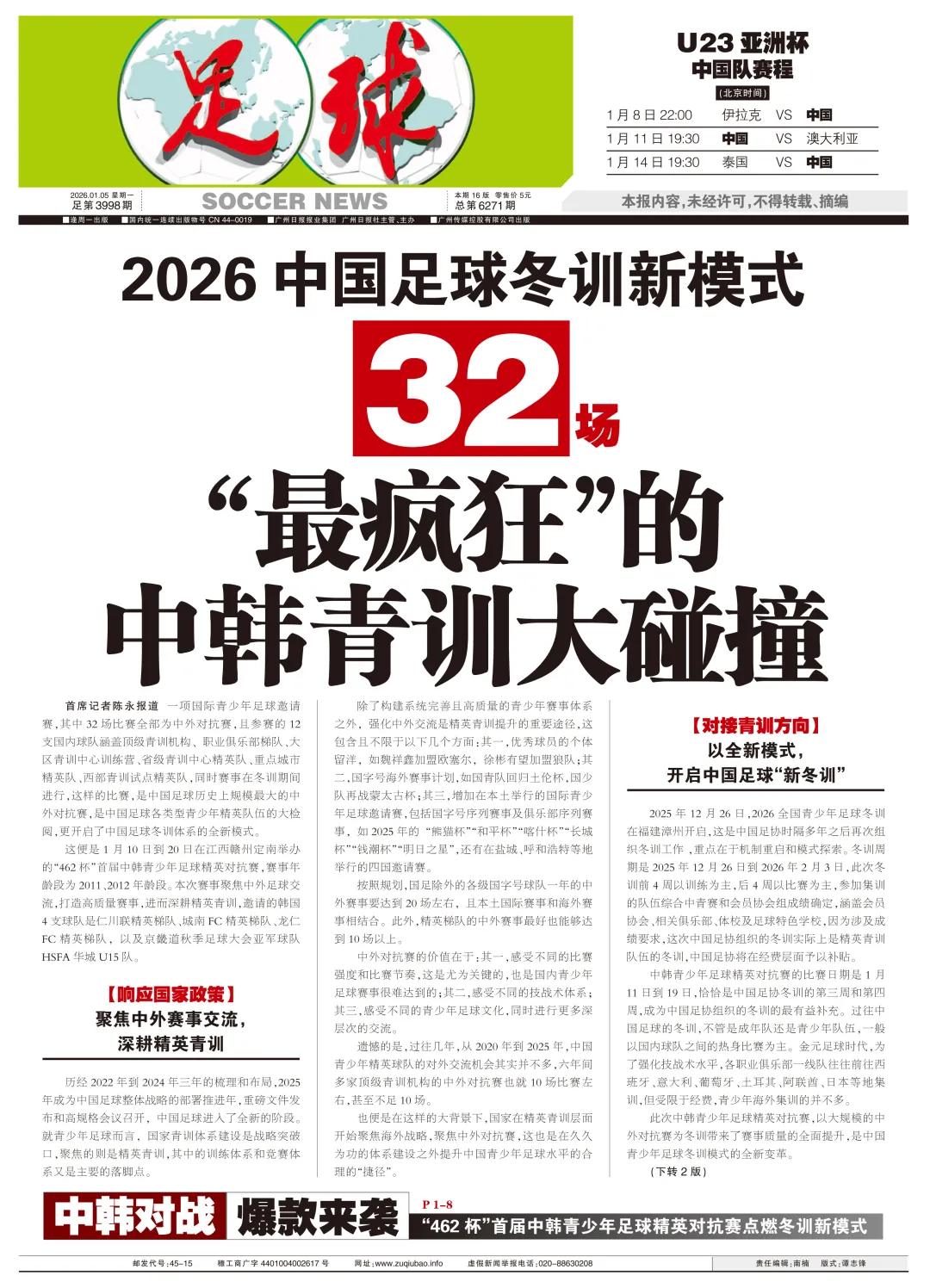
China's New Winter Training Model for Football in 2026: 32 Matches! The Most Intense Youth Training Clash Between China and Korea


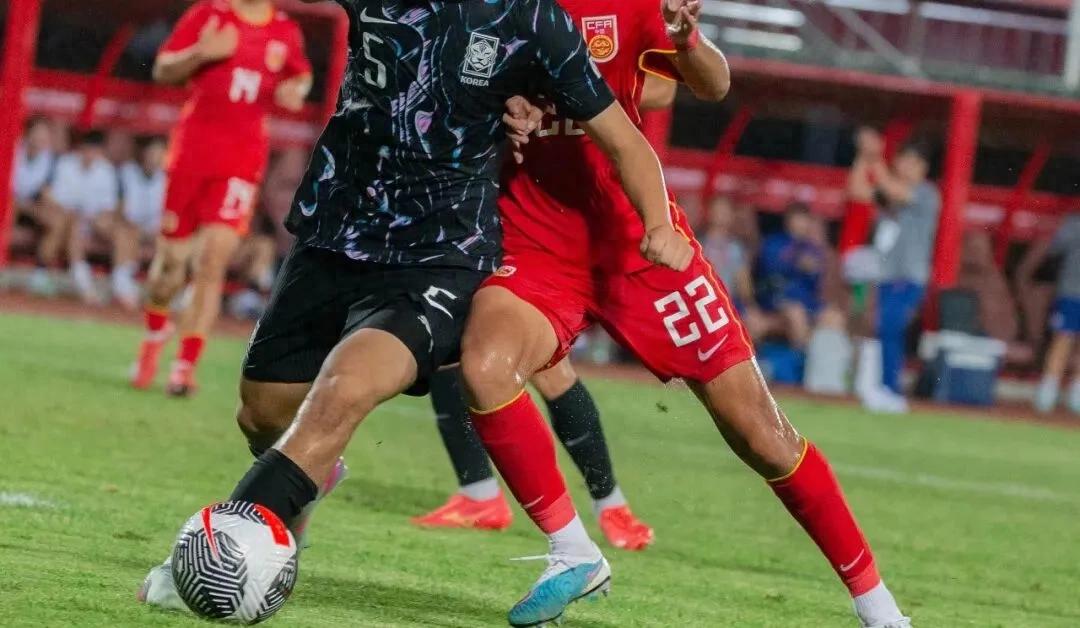
Chief reporter Chen Yong reports An international youth football invitational where all 32 matches are Sino-foreign contests. The 12 domestic teams represent elite youth academies, professional club youth squads, regional training camps, provincial elite teams, key city elite squads, and western youth training pilot teams. Taking place during winter training, this tournament marks the largest Sino-foreign confrontation in Chinese football history, serving as a grand review of China's various elite youth teams and inaugurating a new model for winter training in Chinese football.
This is the inaugural “462 Cup” China-Korea Youth Football Elite Challenge held from January 10 to 20 in Dingnan, Ganzhou, Jiangxi Province, featuring players born in 2011 and 2012. The event focuses on Sino-foreign football exchange, aiming to create a high-quality competition and deepen elite youth training. The four Korean invited teams are Incheon United Elite, Seongnam FC Elite, Yongin FC Elite, and HSFA Hwaseong U15, runners-up of the Gyeonggi Autumn Football Tournament.


After three years of planning from 2022 to 2024, 2025 became the year for implementing China’s overall football strategic deployment, marked by the release of key documents and high-level meetings. For youth football, building the national youth training system is the strategic breakthrough, focusing on elite training with training and competition systems as the main focal points.
Besides establishing a comprehensive and high-quality youth competition system, enhancing Sino-foreign exchanges is crucial for advancing elite youth training. This includes but is not limited to: firstly, individual overseas player transfers, such as Wei Xiangxin joining Auxerre and Xu Bin potentially moving to Wolves; secondly, national team overseas competition plans, like the U19 team returning to the Toulon Tournament and the U16 team competing again in the Montaigu Cup; thirdly, increasing international youth football invitationals held domestically, including national team and club-level events like the 2025 Panda Cup, Peace Cup, Kashgar Cup, Great Wall Cup, Qianchao Cup, Tomorrow’s Star, as well as four-nation invitationals in Yancheng and Hohhot.

According to the plan, aside from the senior national team, other national youth teams should participate in about 20 Sino-foreign matches annually, combining domestic international events and overseas competitions. Additionally, elite youth squads should ideally have more than 10 Sino-foreign matches each year.
The value of Sino-foreign confrontations lies in: first, experiencing different levels of match intensity and pace, which is especially critical and hard to achieve in domestic youth competitions; second, exposure to varying tactical and technical systems; third, immersion in diverse youth football cultures, enabling deeper exchanges.
Unfortunately, in recent years from 2020 to 2025, Chinese youth elite teams had limited opportunities for international exchange, with only about 10 Sino-foreign matches across multiple top youth academies in six years, sometimes fewer. Against this backdrop, the nation began emphasizing overseas strategies and Sino-foreign confrontations at the elite youth training level, a practical shortcut to improve Chinese youth football beyond long-term system building.
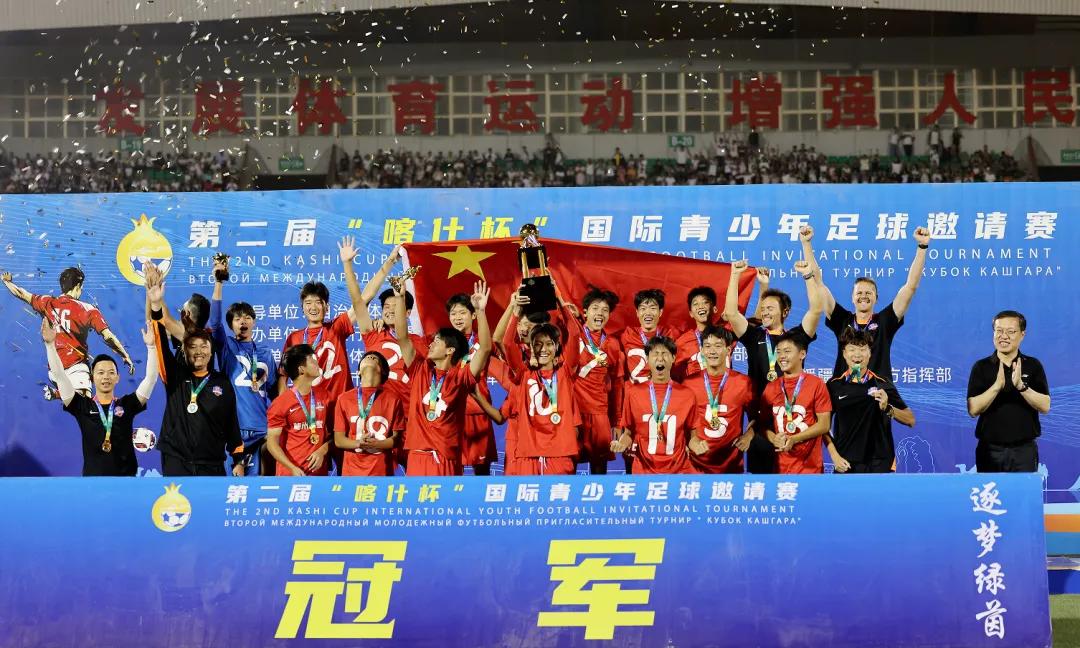

On December 26, 2025, the 2026 National Youth Football Winter Training commenced in Zhangzhou, Fujian Province, marking the Chinese Football Association’s resumption of winter training after several years, focusing on restarting mechanisms and exploring new models. The winter training lasts from December 26, 2025, to February 3, 2026, with the first four weeks dedicated to training and the latter four weeks to competition. Teams qualifying for this training were selected based on combined performance in youth leagues and association tournaments, including member associations, clubs, sports schools, and football-specialized schools. Due to performance requirements, this winter training effectively serves elite youth teams, with financial subsidies provided by the CFA.
The China-Korea Youth Football Elite Challenge takes place from January 11 to 19, coinciding with the third and fourth weeks of the CFA’s winter training, making it a valuable complement. Historically, Chinese winter training for senior and youth teams mainly involved domestic warm-up matches. During the era of big-money football, professional first teams often trained abroad in Spain, Italy, Portugal, Turkey, UAE, and Japan to enhance tactics, but youth overseas training was limited due to financial constraints.
This China-Korea Youth Football Elite Challenge, with its large-scale Sino-foreign confrontations, significantly elevates the quality of winter training matches, representing a revolutionary change in China’s youth football winter training model.
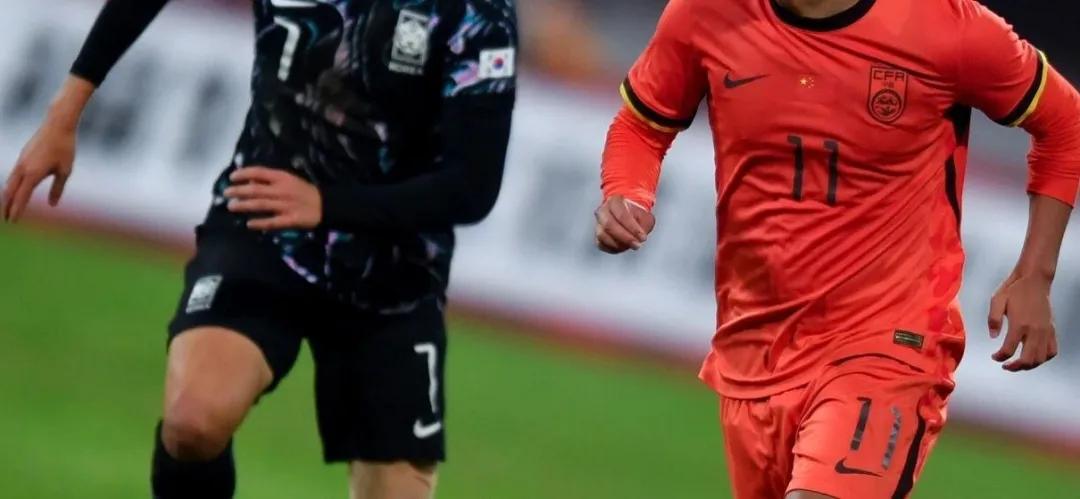

In 2025, funding for professional clubs at various levels in China continues to tighten. For example, top-tier clubs like Shandong Taishan and Chengdu Rongcheng have reduced investments, while other clubs, despite improved stability, still face financial difficulties.
Under these circumstances, stable overseas training for elite youth teams outside the national squads becomes a luxury. Therefore, inviting foreign youth elite teams to compete domestically provides a key opportunity for Sino-foreign confrontations and exchanges for local elite youth teams.
Thanks to the national government’s strong support for football, local governments also show great commitment. In 2025, several international youth football invitationals involving national youth teams were held: the Yancheng Four Nations Tournament (U22 national team) in March, the Hohhot Four Nations Tournament (U16 national team) in May, the Peace Cup (U16 national team) in July, and the Panda Cup (U22 national team) in November. Club-level events included the Kashgar Cup in June, Tomorrow’s Star Champions Cup in July, Great Wall Cup in August, and Qianchao Cup in November.
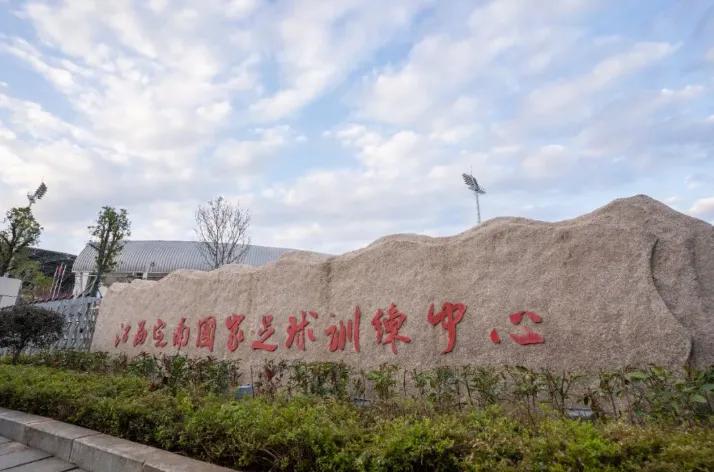
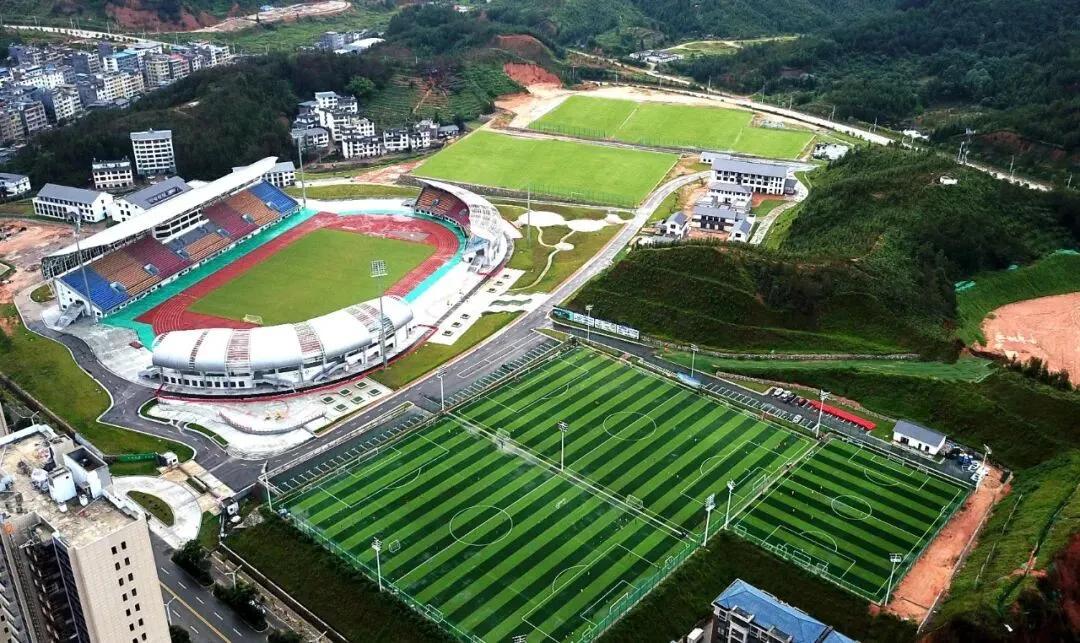
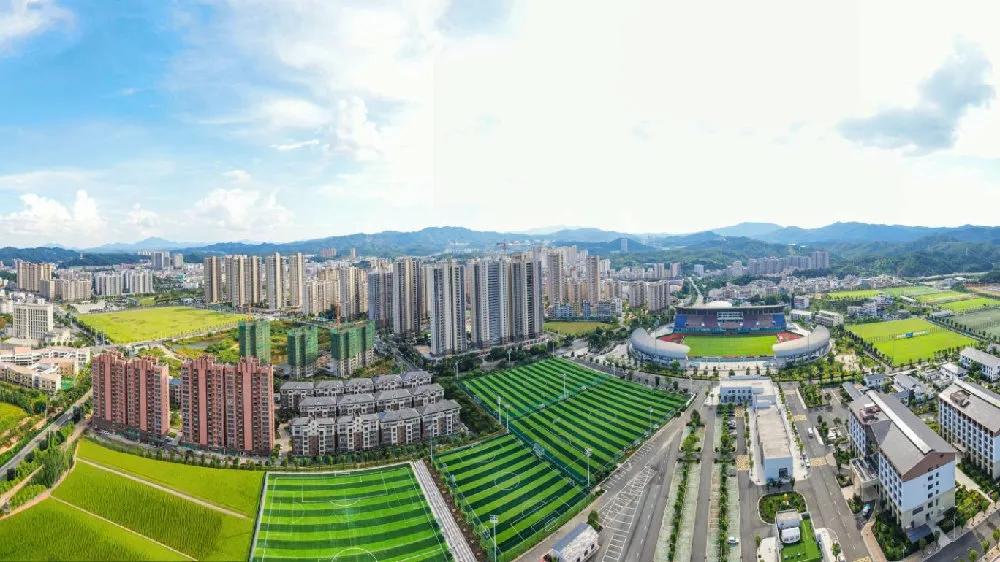
The “462 Cup” inaugural China-Korea Youth Football Elite Challenge was held in Dingnan County, Ganzhou City, Jiangxi Province — a county-level city where football has developed systematically, featuring strong government support, structured development plans, comprehensive youth training teams, well-established school football, a China League One club, a China League Two club, and the Dingnan (National) Football Training Center as excellent infrastructure.
In terms of international exchange, Dingnan has actively sought out international confrontations. Hosting the “462 Cup” marks Dingnan’s first top-level youth international invitational, perfectly aligning with national policies and directions. It also reflects Dingnan’s gradual progress through a mature football development system, representing another step forward after steady efforts.

Previously, international football invitationals held in China, aside from simple four-nation tournaments, usually involved 8 or more teams divided into groups with straightforward formats like group stage plus knockout or placement matches. For example, 12 teams split into three groups with foreign teams evenly distributed. However, this typical format does not guarantee the number of Sino-foreign confrontations.
In such a grouping, there are 18 group stage matches, 4 quarterfinals, 2 semifinals, and 2 final placement matches, totaling 26 matches. For instance, in a certain international youth invitational with 6 foreign and 6 domestic teams, 12 group-stage matches featured Sino-foreign contests, but quarterfinals and semifinals had none. Only the final and third-place matches were Sino-foreign, resulting in just 14 out of 26 matches being Sino-foreign confrontations.
In this China-Korea Youth Football Elite Challenge, four Korean teams and 12 Chinese teams compete under a new format where the Korean teams do not play each other. Across eight match days, all Korean teams face Chinese teams, totaling 32 China-Korea matches. This is likely the highest number of Sino-foreign matches ever held in a domestic international youth football invitational.
Due to the short preparation time, some Korean club elite teams had prior winter training plans. Ultimately, the four confirmed Korean teams are:
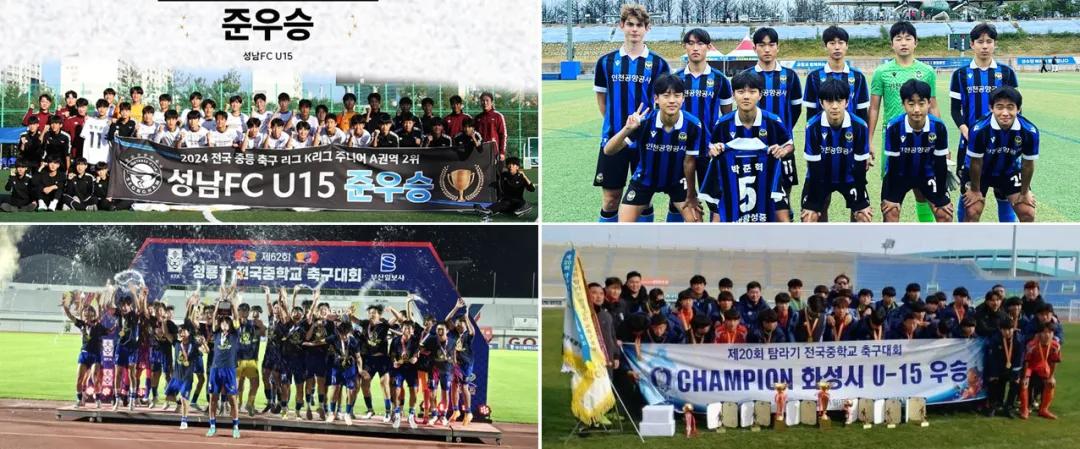
Incheon United U15. Incheon United competed in the 2023/2024 AFC Champions League, were relegated last year, and returned to the K1 League this year. Their U15 squad won the 2024 Korean Middle School League (K-League Youth) B group championship.
Seongnam FC U15. Seongnam FC is a traditional powerhouse in Korean football, reaching the AFC Cup/Champions League finals four times and winning three titles, claiming seven K1 League championships and three Korean FA Cups. Their U15 team was runner-up in the 2024 Korean Middle School League (K-League U15) A group.
Yongin FC U15. Yongin FC is a newcomer to the Korean K2 League, with technical director Lee Dong-gook, a well-known former Korean star. Their U15 team won the 2025 Cheongryonggi Cup National Middle School Football Championship.
HSFA Hwaseong U15. Founded in 2018, Hwaseong FC from Gyeonggi Province saw their U15 team finish as runner-up in the 2025 Gyeonggi Autumn Football Tournament and win the 2025 Uljin Geumgang Pine National Spring Secondary Football Championship.
These Korean teams include elite squads from established professional clubs as well as the non-professional yet highly regarded Hwaseong youth team, all with strong and representative capabilities. This perfectly matches the variety of Chinese elite teams, allowing for a comprehensive evaluation.

The “462 Cup” inaugural China-Korea Youth Football Elite Challenge’s 32 matches represent the largest scale of Sino-foreign confrontations in Chinese football history and serve as a thorough review of China’s elite youth training.
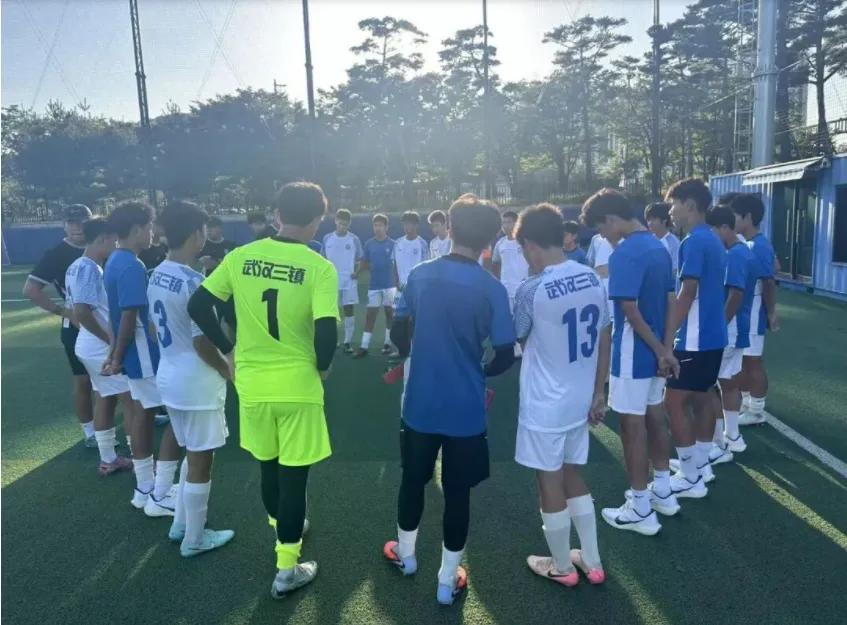
The 12 domestic teams represent every aspect of China’s elite youth training: From traditional youth academies, although Shandong Taishan could not participate due to many players being called up for the 2011 age group national youth team, another historic academy, Zhejiang Youth Training, attended as expected. Like Taishan’s academy, Zhejiang has a long history and has produced multiple national players, currently being a major contributor to the U23 national team. Evergrande Football School also participated, one of the top youth academies, having won the U13 boys’ championship in the youth league, as well as the U15 and U17 championships in the Chinese Youth Elite League this year.
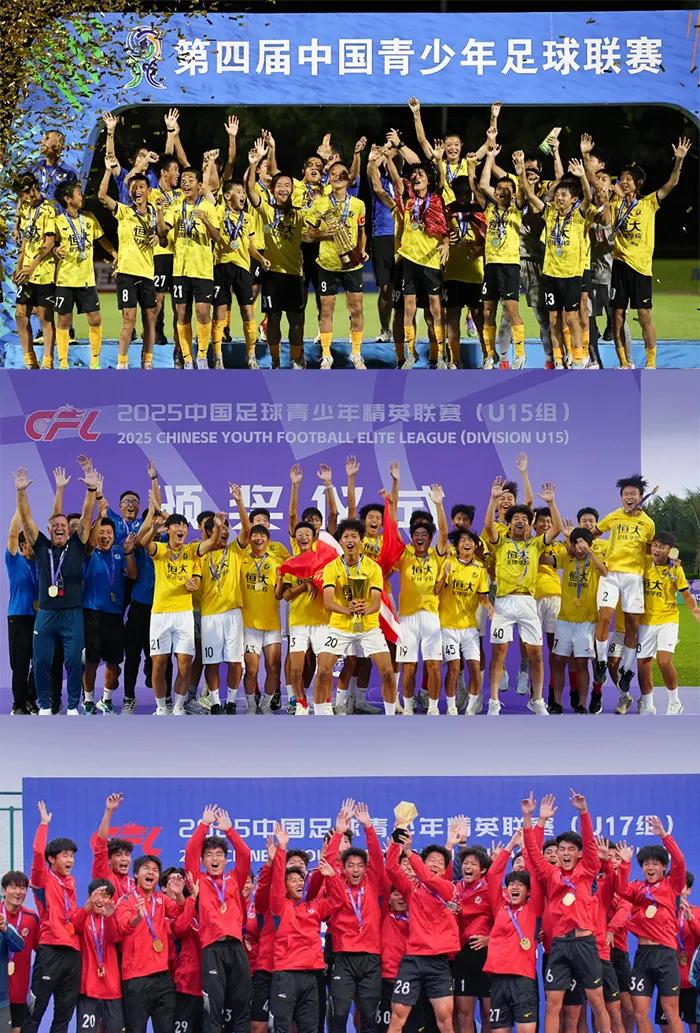
Shanghai Port and Wuhan Three Towns also have strong youth training systems. Shanghai Port B team and Shandong Taishan B team were among the first to qualify for China League Two, followed by Wuhan Three Towns B and Chengdu Rongcheng B as the second batch of qualifiers.
Additionally, three other professional clubs have made significant progress in youth training recently: Henan Football Club reached the finals in the U18 group of the Henan Provincial Games and their U21 team placed fourth in the U21 league; Shenzhen New Pengcheng finished sixth in the U21 league; Guangzhou Mingtou secured runner-up in the U15 boys’ youth league and advanced to the final 32 in the U13 boys’ competition, emerging as rising stars in Chinese elite youth training.
The Xi’an Regional Youth Training Center team represents the regional training camp, which serves as a pre-training base for the national youth team; Guizhou team represents the provincial youth training center; Chengdu team represents key cities; and Ganzhou team represents the western youth training pilot.
The host Dingnan’s football development is also impressive. In the 2025 youth league, Dingnan Dream advanced to the last 32 in the U13 boys’ group.
In other words, the 12 domestic teams cover top youth academies, professional club youth squads, regional training camps, provincial elite teams, key city elite squads, and western youth training pilots. This China-Korea Youth Football Elite Challenge offers a comprehensive review of China’s elite youth training.
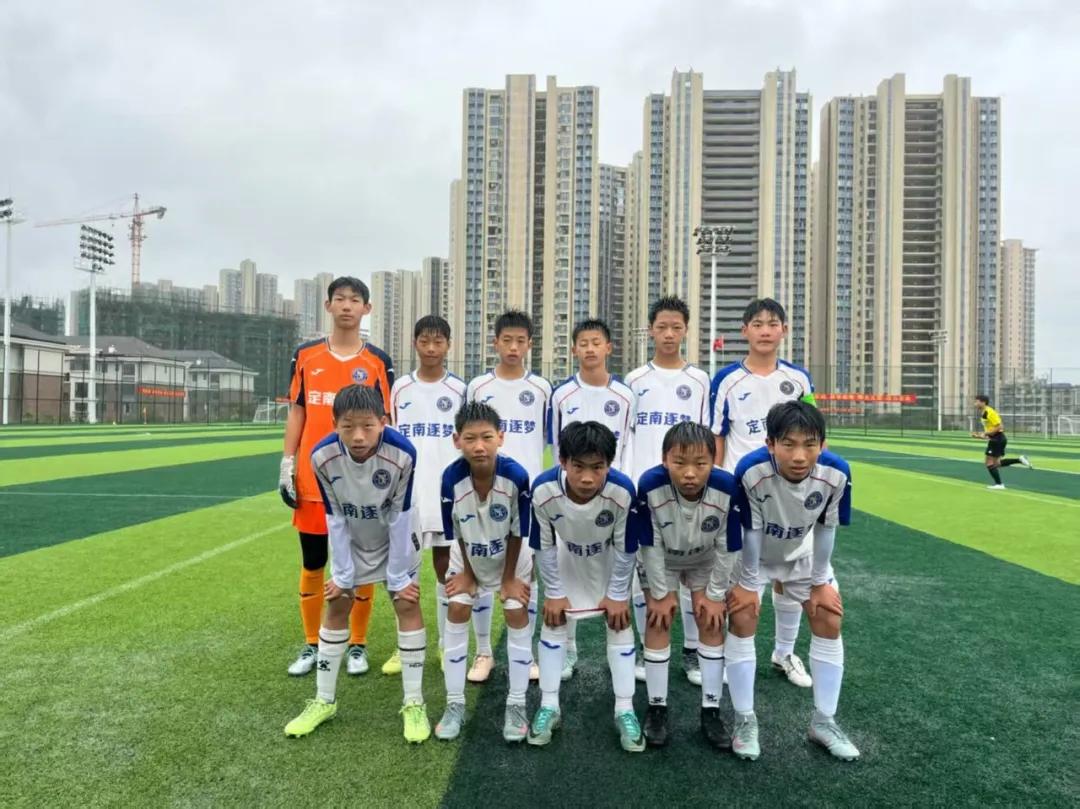

China’s football dream is also our football dream.
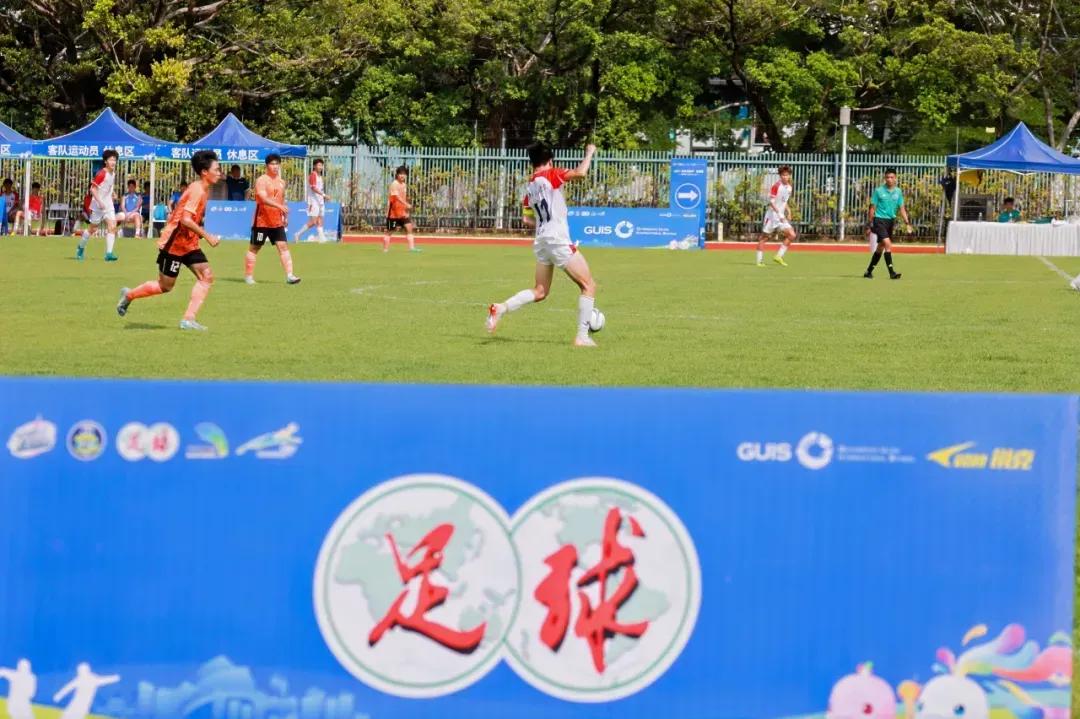
This China-Korea Youth Football Elite Challenge is another youth event hosted by Football Newspaper following the 2025 National Women’s Football Elite Exchange (junior & senior high groups in Xi’an), the Centennial Famous Schools Football Elite Exchange (elementary in Qidong, Jiangsu; junior high in Hengyang, Hunan; senior high in Nansha, Guangzhou). It also marks the start of Football Newspaper’s 2026 series of events.
The Centennial Famous Schools Cup focuses on school football, the National Women’s Football Elite Exchange highlights women’s youth training institutions and top school elite women’s teams, while this China-Korea Youth Football Elite Challenge represents a key leap in Football Newspaper’s event system.
For the China-Korea Youth Football Elite Challenge, Football Newspaper partnered with Lee Jang-Soo, a renowned Korean coach who has worked across China for nearly 20 years. Lee said, “I have spent many years in cities all over China and have strong feelings for the country. I hope for the good development of Chinese football, and if anything needs to be done, I am willing without hesitation.” Motivated by this sentiment, Lee visited many Chinese cities in 2025 and, despite tight timelines, contacted the Korean Football Association and professional league to secure four Korean teams to participate in this event.
While maintaining in-depth reporting, Football Newspaper’s event system has been developing since 2024 and after two years of exploration has become more systematic, covering school football, elite women’s football, and professional youth training competitions.
Beyond providing better competition platforms for Chinese youth, Football Newspaper also uses its events and associated forums to observe Chinese youth football closely and deeply, supporting its growth and sharing the same aspirations and destiny with Chinese football as they move forward together.



 Links
Links
 Contact
 App
App