



Malaysia receives a blunt warning from the Australian coach


Amid significant upheaval in the youth development system and controversies following the naturalization scandal, Coach Peter Cklamovski believes Malaysian football cannot take shortcuts and requires a long-term, sustainable development strategy from the grassroots.
After the naturalization scandal during the 2027 Asian Cup qualifiersMalaysian football entered a phase of major adjustments. The youth development system, especially the National Football Development Program (NFDP) and Mokhtar Dahari Academy (AMD), became the focus of reforms.
However, this process sparked controversy when 26 coaches from NFDP and AMD were abruptly dismissed in mid-December 2025, mainly through an online meeting without prior official notice.
In the context of public skepticism, the Football Association of Malaysia (FAM) has given full authority for managing and restructuring youth development to former national team coach Ong Kim Swee and his technical team. This is seen as a decisive move to stabilize the system, but it also raises questions about the long-term development direction of Malaysian football.
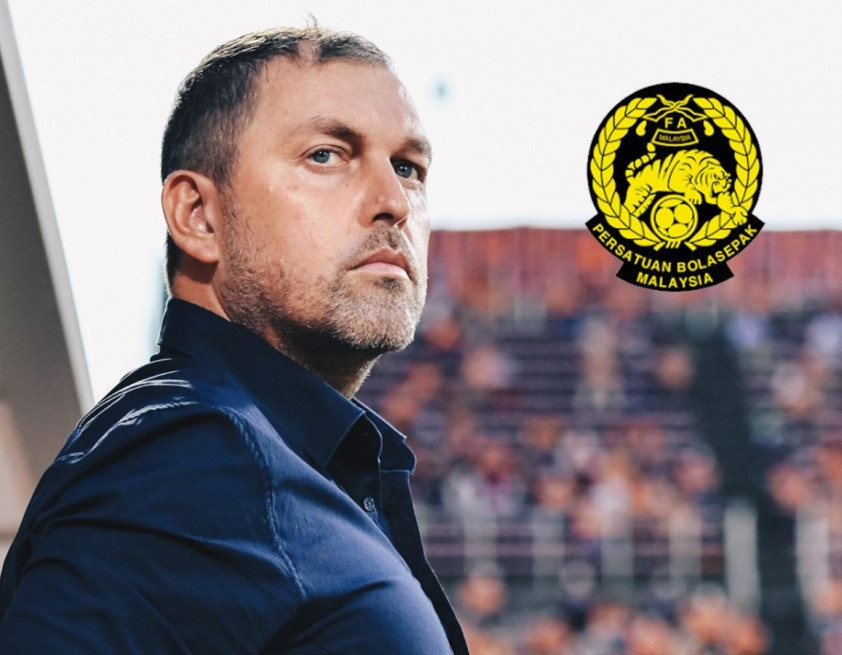
In response to these changes, the head coach of the Malaysian national team Peter Cklamovski has clearly stated that Malaysian football cannot succeed with short-term solutions.
He emphasized that sustainable development must start from the grassroots, especially focusing on youth training systems and football education: “Improving football education systems and linking sports schools with club academies is the key to creating a stable talent pool for the national team,” Cklamovski shared.
According to the Australian strategist, Malaysia is not lacking in talent, but the problem lies in the development structure: “There are talents, but the pyramid is weak at the base. If the youth system is not strong, the national team cannot be strong either,”he frankly observed.

In reality, over the years, Malaysia’s U17, U19, and U23 teams have frequently missed out on Asian tournaments,while young players only get to play about 10-11 matches per season at the state and school levels, which is too few to gain competitive experience.
At the performance level, these limitations have become apparent. The U23 team failed to advance beyond the group stage at the 2025 Southeast Asian U23 Championship, and the U22 team finished fourth at the 33rd SEA Games. According to Cklamovski, this is not merely a tactical issue but the result of a system lacking depth: “The team’s evolution requires patience, stability, and gradual steps, rather than sudden revolutionary changes,” he said.
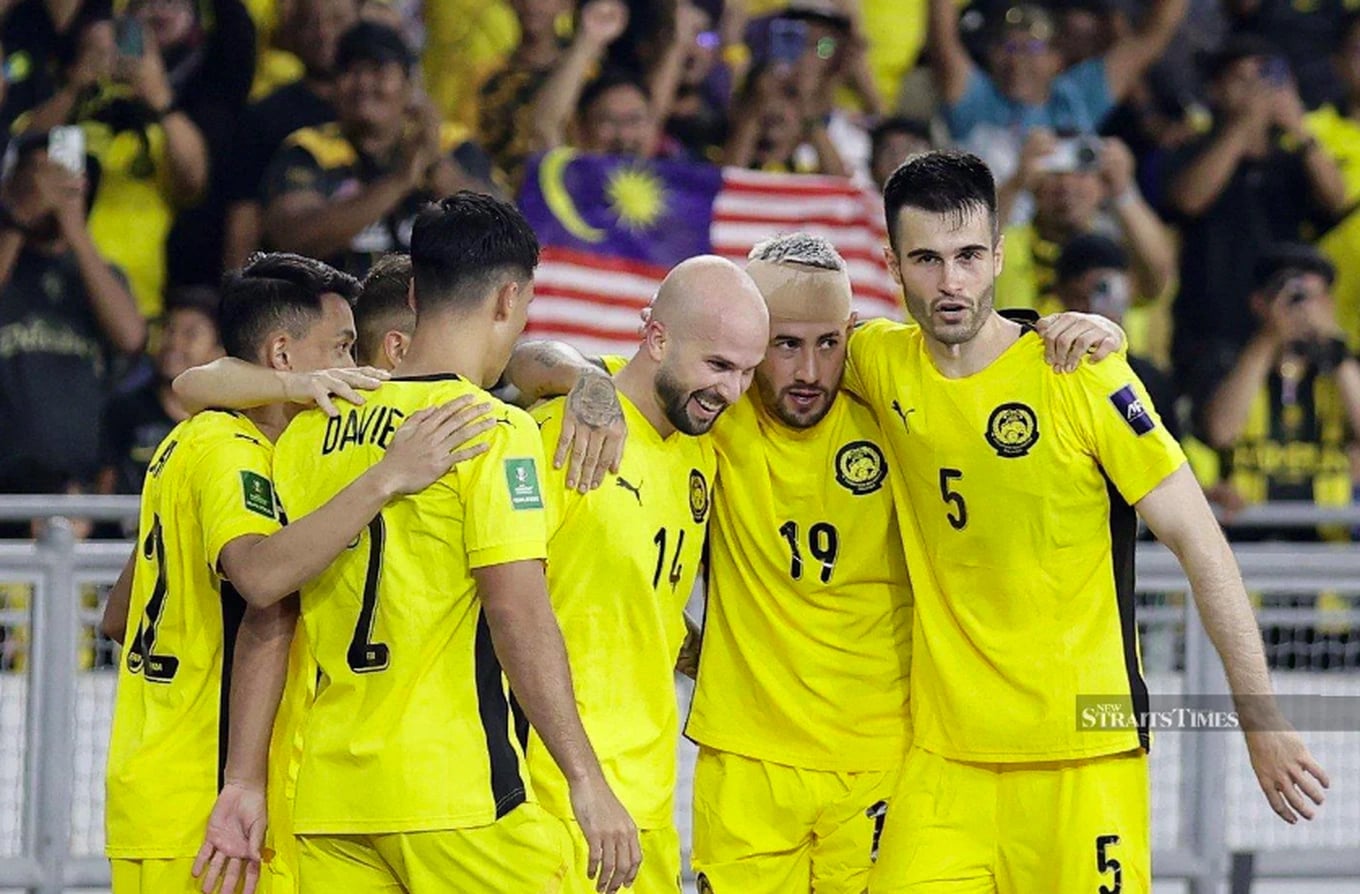
Besides technical aspects, Cklamovski also mentioned the role of governance and leadership. He believes decisions in football should be based on the core interests of the sport, free from personal or political influences: “If decisions are made based on football’s values and the future generation of players, the sport will gradually improve,” the Australian coach stressed.
For Cklamovski, 2026 is not a year for quick breakthroughs, but a foundation-laying period: “If we start now, in 10 years Malaysia will have a stronger national team,” This viewpoint clearly reflects the “long-term” philosophy he pursues in his efforts to develop Harimau Malaya in a substantial and sustainable way.



Wonderfulshortvideo
CR7 was really going through it 🤣🏆


 Links
Links
 Contact
 App
App