



Japanese football unexpectedly adopts a strategy from Vietnam in the Asian tournament


Japan’s choice to field only the U21 squad at ASIAD 20 reflects a forward-looking approach aligned with Vietnam’s, with both nations treating the Asian Games as preparation for the 2028 Olympic Games.
Asian football is witnessing a notable shift in how major tournaments are approached, and Japan is the latest example. Despite being the host country of ASIAD 20 scheduled to take place in Aichi and Nagoya in 2026, the Japan Football Association has confirmed it will not deploy its strongest U23 team but instead send a U21 squad for the men's football event. This decision surprised many fans, as host nations usually prioritize winning the gold medal at ASIAD.
According to the announced plan, Japan regards ASIAD 20 as a preparatory competition for the Los Angeles 2028 Olympics. Giving opportunities to U21 players allows the team to gain international experience earlier, laying a solid foundation for longer-term campaigns rather than focusing all efforts on a short-term goal.
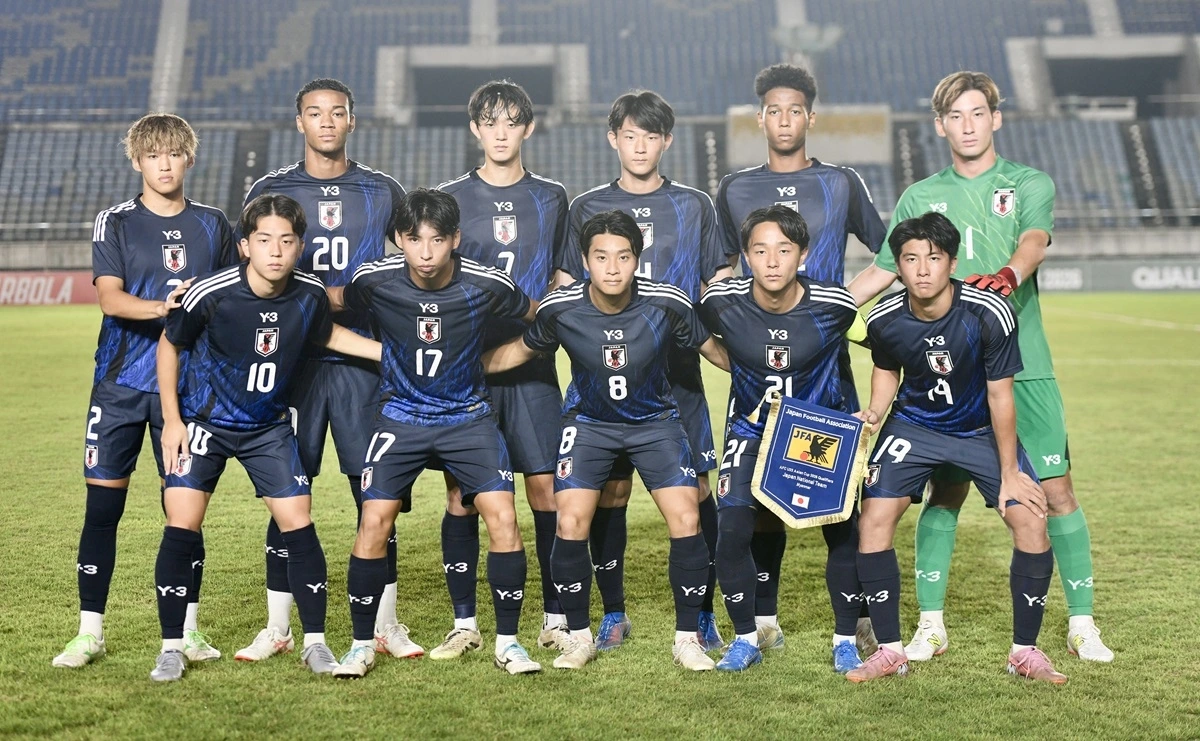
Although only fielding a U21 squad, Japan is still highly rated. Most players in this age group have competed in major tournaments like the AFC U20 Championship or the U20 World Cup, and some even have professional playing experience. This enables Japan’s U21 team to compete effectively against U23 opponents, even when facing an age disadvantage.
Japan’s approach demonstrates consistency in their youth development strategy. Instead of emphasizing immediate results, they prioritize building a confident next generation ready to lead the national team through the upcoming Olympic cycle. In this context, ASIAD serves more as a crucial test than the ultimate destination.
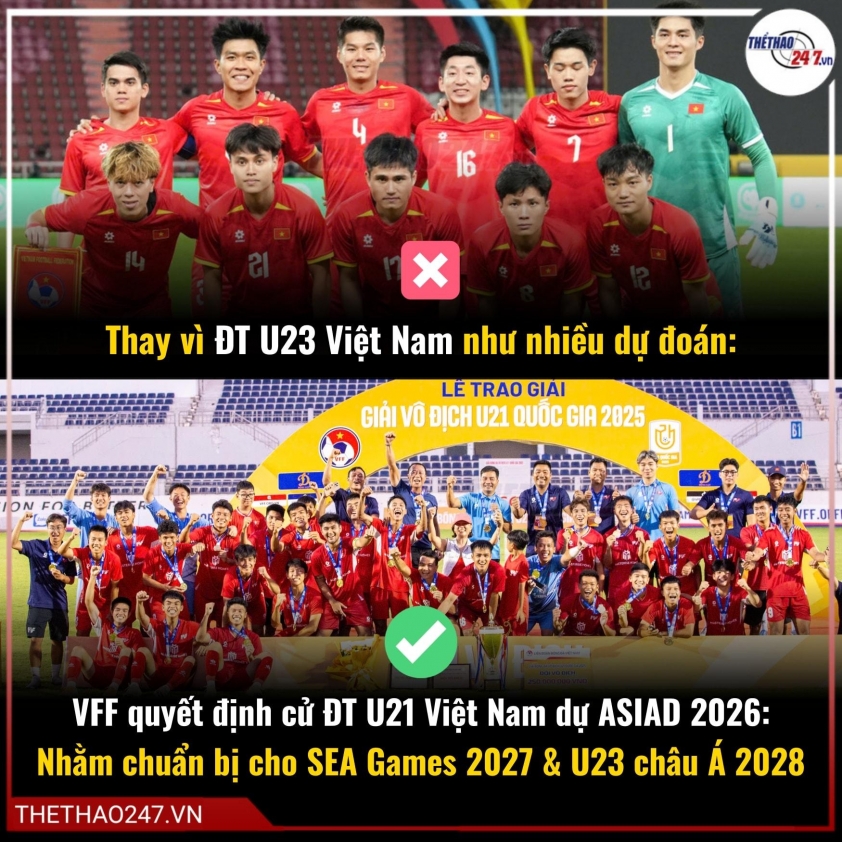
Notably, Japan’s direction perfectly aligns with the earlier decision made by the Vietnam Football Federation. Vietnam has also agreed to send their U21 team to ASIAD 20viewing the tournament as a valuable opportunity for players born in 2005 or later to gain experience, aiming for qualification to the 2028 Olympics while also preparing for future U23 Asian Championships and SEA Games.
In reality, this model has proven effective for Vietnam in the past. At ASIAD 19, many young players given early playing chances matured quickly and became key members of the U23 team in subsequent important competitions. Continuing to trust the U21 group helps maintain team continuity and minimizes disruptions at the club level.

Japan and Vietnam’s joint decision to send U21 teams to ASIAD 20 highlights a broader trend in modern Asian football: prioritizing long-term strategies over short-lived titles. As the Olympics increasingly become a major target, ASIAD is gradually being recognized as an important step in the development pathway for leading football nations in the region.


Wonderfulshortvideo
CR7 was really going through it 🤣🏆


 Links
Links
 Contact
 App
App