



Chelsea and Maresca part ways bitterly—an innocent fallout?


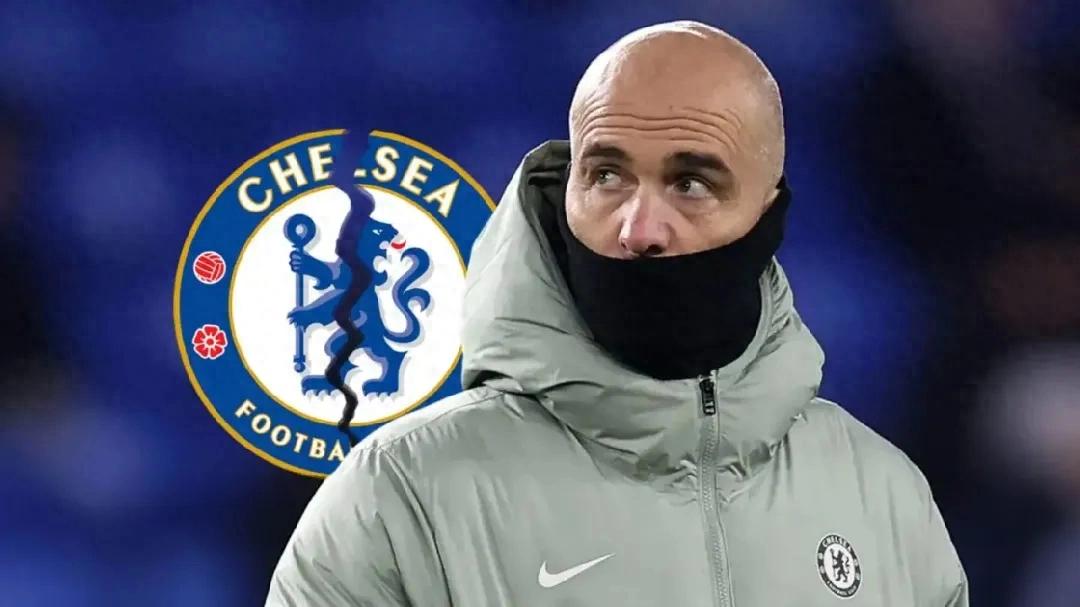
Written by Han Bing On New Year's Day 2026, Chelsea Football Club and head coach Maresca ended their relationship in a complete break. Since Maresca publicly criticized the club on December 13 last year, their relationship deteriorated rapidly, culminating in a final decision just 20 days later—at noon UK time on January 1, Chelsea issued a terse statement of only 99 words.
In the American ownership era, Chelsea has changed six head coaches in just three and a half years, yet the sudden collapse and departure of Maresca still shocked the entire European football community. The Italian coach's conflict with Chelsea's upper management became public. Combined with the team's declining results and other factors exposed by the media, the dispute quickly escalated to an irreversible conclusion.
Maresca, who brought two trophies to the Blues, left abruptly, leaving behind chaos. From the long-standing internal conflicts among management to a demoralized team facing a brutal schedule, plus the stunned reaction of media and fans to the "lightning coach change," Chelsea’s start to 2026 truly feels like a "catastrophic beginning."
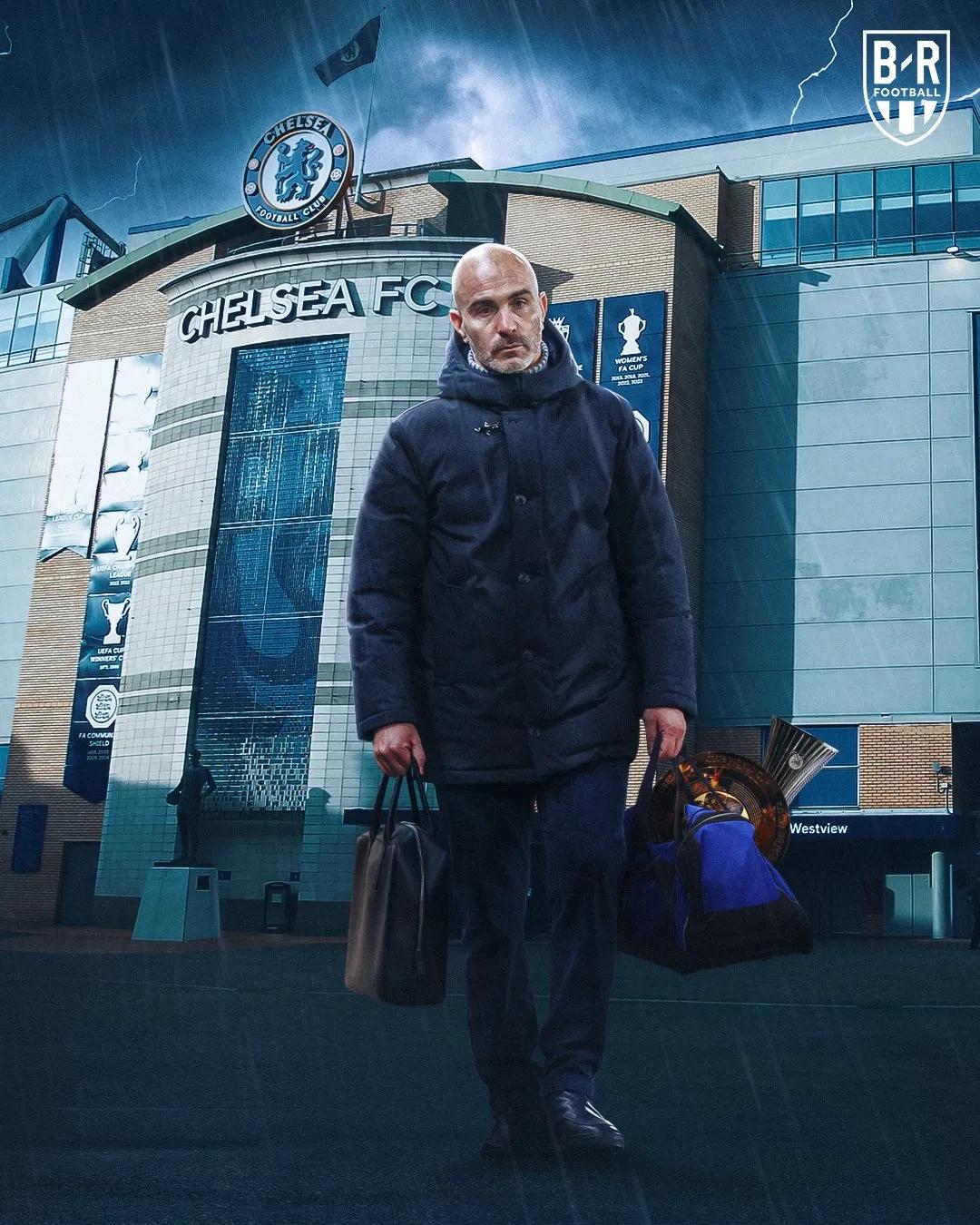

Since Maresca declared on December 13 last year that "the past 48 hours have been the worst experience of my time here," British media sensed the looming danger of his dismissal. Open conflict between a head coach and management is taboo, and from that moment, Maresca’s time at Stamford Bridge was on a countdown. Chelsea’s leadership originally planned a full evaluation after the season, but the "public criticism" incident accelerated the decision by six months.
Over the following 20 days, Maresca’s prospects at Stamford Bridge worsened. Chelsea’s results plummeted; though he had just won Premier League Manager of the Month for November, from the November 30 home draw against Arsenal onwards, Chelsea managed only one win in seven Premier League matches. The team slipped from 2nd to 5th place, 14 points behind leaders Arsenal, effectively ending title hopes and even threatening Champions League qualification. Players, medical staff, and fans were confused by the coach’s sudden criticism, causing unrest, while BlueCo’s representative, Egbarie, believed authority must be respected and was already considering a coaching change.
On December 30, Chelsea was held to a draw by Bournemouth, and Maresca’s substitution of Palmer sparked boos from fans. The club’s leadership saw his isolated position. After the match, Maresca abruptly missed the press conference citing illness, with assistant Caballero stepping in, pushing Chelsea’s management to their limit. British media obtained inside information early, fueling speculation on New Year’s Eve that Maresca’s job was in jeopardy. On New Year’s Day, Chelsea’s top brass held a crisis meeting with Maresca, sealing the fate.
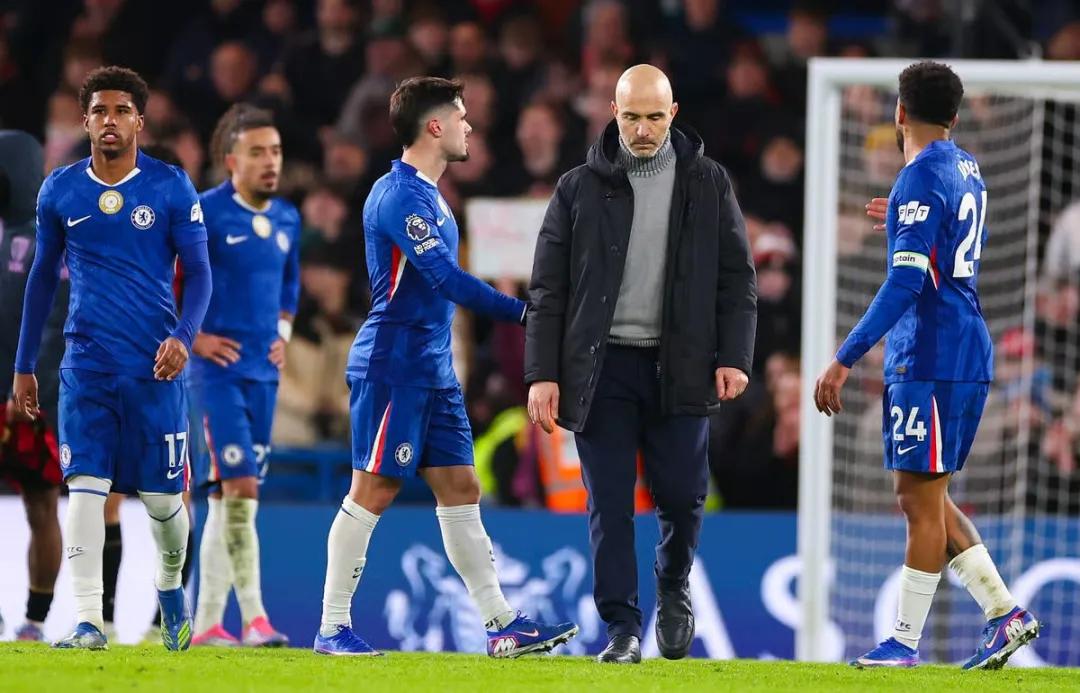

Why was Maresca so determined to leave, and why was Chelsea’s leadership so decisive? British media revealed the conflict had long roots: last year, Maresca sought to clarify authority over the medical department; after winning the Club World Cup this summer, he wanted more involvement in transfers to balance the squad’s youth with experienced players. However, Chelsea’s management refused to relinquish control, and Boley, who leads football operations, had friction with Egbarie. Disagreements extended from player transfers to stadium rebuilding or relocation plans.
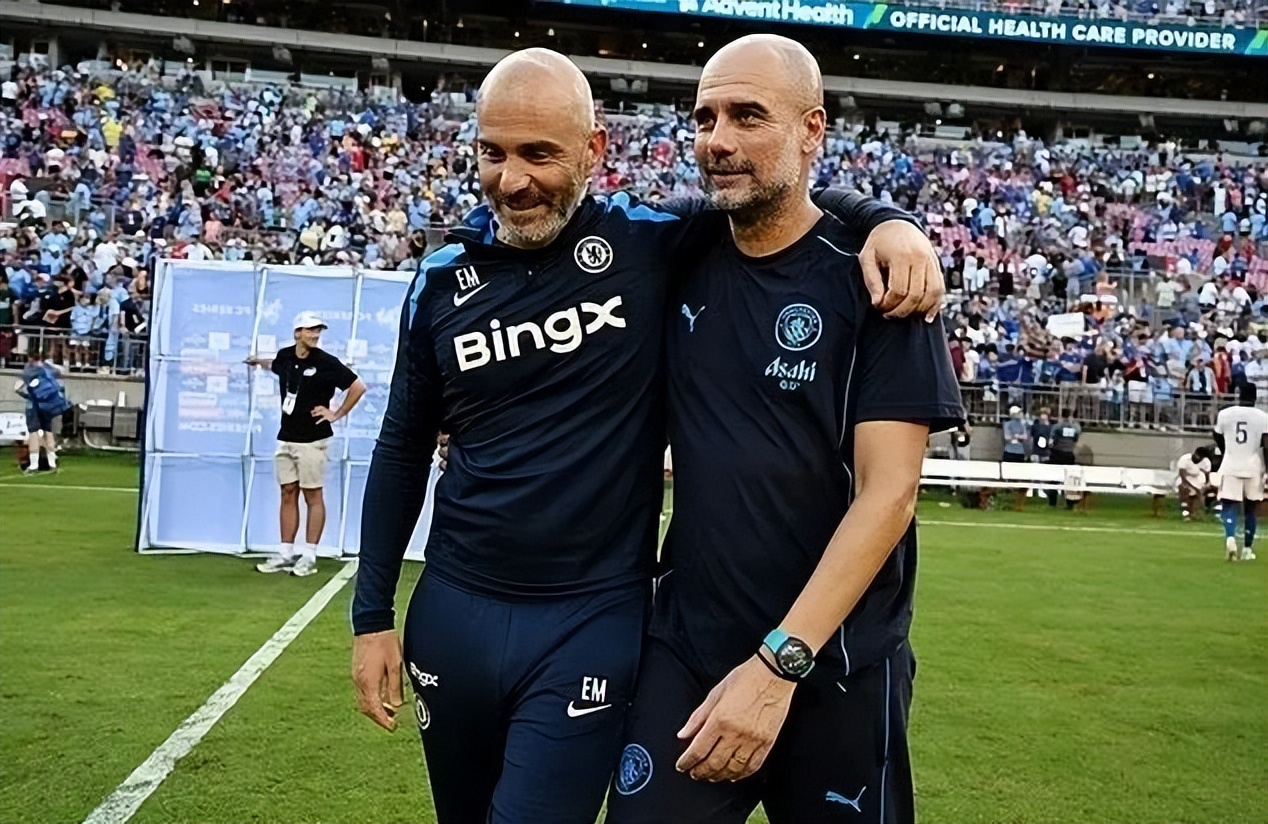
More critically, Maresca reported twice contacting Manchester City’s staff to inquire about Guardiola’s future, which management viewed as disloyalty. Late last year, British media speculated Maresca was the top candidate to replace Guardiola at City, which now seems credible. Furthermore, Egbarie felt Maresca’s public criticism followed by feigning illness to skip the press conference introduced uncertainty.
Chelsea faces a brutal January schedule with nine matches across four competitions, including Premier League away games at Manchester City, two matches against Arsenal in the Premier League and League Cup, and a Champions League away fixture at Napoli. Timely coaching changes are a shared consensus, and Maresca has no intention of staying at a club he cannot control. His contract runs until summer 2029, but by leaving voluntarily, he forfeits a large severance. He can patiently wait for Guardiola’s departure this summer, while Chelsea must quickly appoint a new coach.
Strasbourg, Chelsea’s satellite club in Ligue 1, has head coach Rosénier as the leading candidate for the new role. The 41-year-old English coach led Strasbourg to 7th place last season, qualifying for the Europa Conference League, and they currently sit 7th again this season. Chelsea could promote internally at any time. However, Rosénier lacks Premier League experience, having only managed Hull City in the Championship previously.
Chelsea’s management claims they need an experienced head coach; Crystal Palace’s Glassner and Fulham’s Marco Silva are considered better fits. Glassner’s contract has six months left; last year he led Palace to FA Cup and Community Shield victories but clashed with the American owners over transfer market stinginess. His previous success at Frankfurt also drew comparisons to Tuchel. Marco Silva has more Premier League experience, having stabilized Fulham, a traditional mid-lower table London club. Last summer, he rejected an offer from Al Hilal to focus on the Premier League, hoping to join a top club. He has been linked with Manchester United, Tottenham, and Newcastle.
For Chelsea’s management, punishing the defiant Maresca might be even more important than choosing the next head coach.



Wonderfulshortvideo
CR7 was really going through it 🤣🏆


 Links
Links
 Contact
 App
App